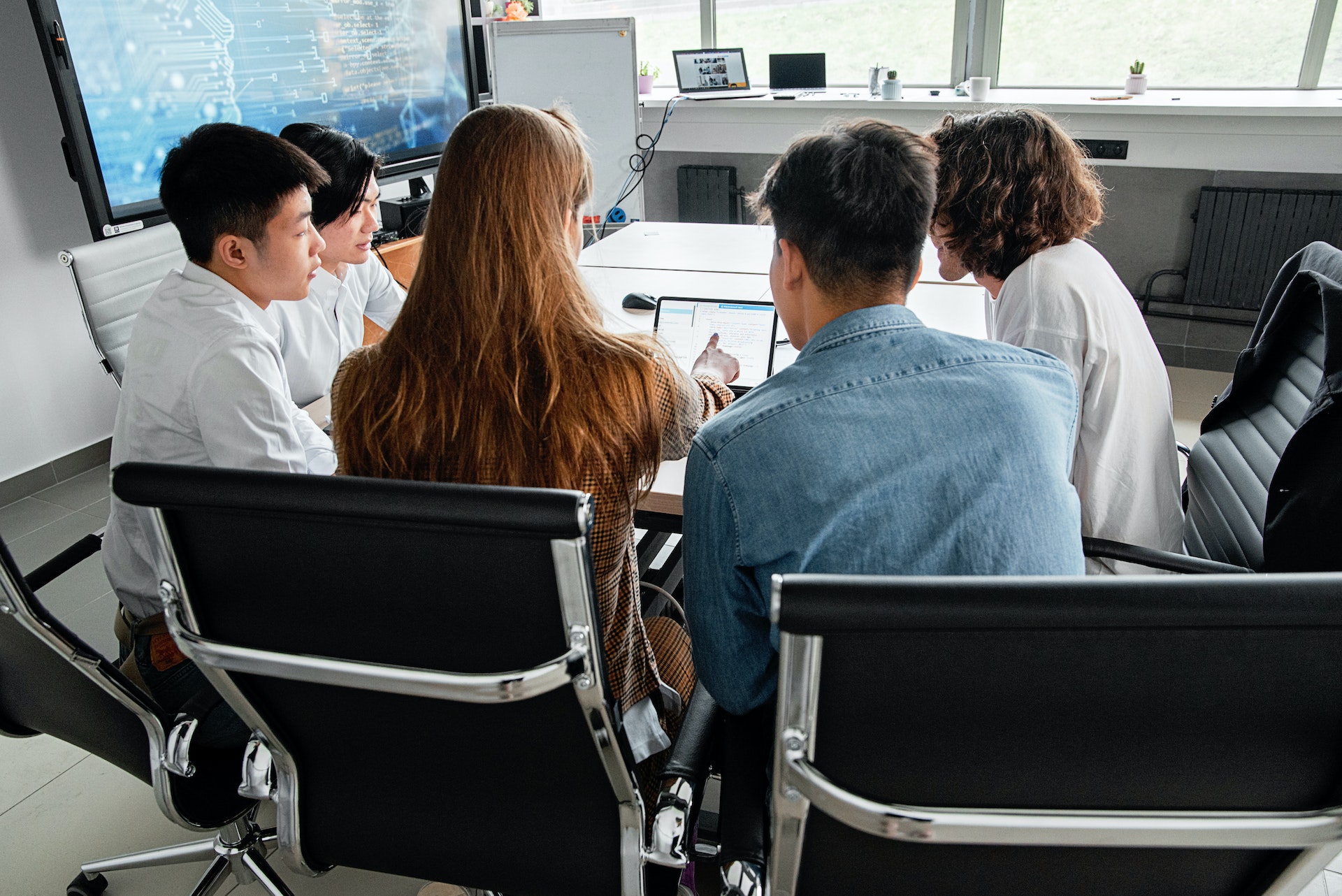

Regular workspace cleaning is an essential part of maintaining a productive, healthy, and professional environment. Whether in offices, industrial facilities, or shared work environments, cleanliness directly affects employee well-being, efficiency, and overall organizational performance. A clean workspace is not just about appearance; it plays a crucial role in reducing health risks, improving focus, and creating a positive impression on clients and visitors.
Health and Hygiene Benefits
One of the most important reasons for regular workspace cleaning is maintaining good health and hygiene. Workspaces are high-contact environments where bacteria and viruses can easily spread through shared surfaces such as desks, keyboards, door handles, and meeting tables. Without consistent cleaning, these surfaces can become breeding grounds for illness. Regular disinfection helps reduce the spread of common illnesses such as colds, flu, and other infections, leading to fewer sick days among employees. Clean air is also important, as dust buildup can negatively affect respiratory health and trigger allergies or asthma symptoms.
Improving Productivity and Focus
A clean workspace has a direct impact on employee productivity. Cluttered or dirty environments can be distracting and mentally overwhelming, making it harder for employees to concentrate. When work areas are organized and clean, employees are able to focus better and complete tasks more efficiently. Psychologically, cleanliness contributes to a sense of order and control, helping employees feel more motivated and less stressed. This improved mental clarity can lead to higher-quality work and better decision-making.
Enhancing Professional Image
The cleanliness of a workspace also reflects the professionalism of an organization. Clients, business partners, and visitors often form first impressions based on the appearance of the workplace. A clean and well-maintained environment communicates attention to detail, responsibility, and organizational pride. On the other hand, a messy or unclean workspace can create a negative impression and potentially affect business opportunities and relationships.
Extending Equipment Lifespan
Regular cleaning also helps protect office equipment and furniture. Dust, dirt, and debris can accumulate in computers, printers, and other electronic devices, potentially causing overheating or malfunction over time. Carpets, chairs, and desks can also wear out faster when not properly maintained. Consistent cleaning routines help extend the lifespan of assets, reducing long-term maintenance and replacement costs.
Organizing for Efficiency
Workspace cleaning is closely tied to organization. A clean environment naturally encourages better arrangement of documents, supplies, and tools. When items are stored properly and clutter is reduced, employees can find what they need faster and work more efficiently. This reduces wasted time and improves overall workflow, allowing employees to focus on more valuable tasks.
Employee Morale and Workplace Culture
A clean workspace contributes positively to employee morale. People feel more comfortable and valued when they work in a well-maintained environment. It signals that the organization cares about their well-being and working conditions. In addition, maintaining cleanliness encourages a culture of shared responsibility and respect for common spaces, strengthening teamwork and workplace discipline.
Environmental Considerations
Modern workspace cleaning practices increasingly include environmentally friendly approaches. Many organizations now use eco-friendly cleaning products that reduce chemical exposure and environmental impact. Sustainable practices such as reducing waste, recycling materials, and using reusable supplies contribute to broader corporate sustainability goals. Proper waste management also ensures that workplaces remain both clean and environmentally responsible.
Establishing a Cleaning Routine
To maintain a consistently clean workspace, organizations should implement structured cleaning routines. Daily tasks may include wiping down surfaces, emptying trash bins, and organizing workstations. Weekly or monthly tasks may involve deep cleaning carpets, sanitizing equipment, and cleaning less accessible areas. Many organizations also rely on professional cleaning services to ensure that higher hygiene standards are consistently met, especially in larger or high-traffic environments. Businesses can benefit from outsourcing maintenance to professional providers such as A&M Janitorial Services, which helps ensure consistent cleanliness and reduces the burden on in-house staff.
Regular workspace cleaning is a fundamental aspect of maintaining a productive, healthy, and professional environment. It supports employee well-being, improves efficiency, extends the lifespan of equipment, and enhances the organization’s image. By prioritizing cleanliness and establishing consistent cleaning routines, businesses can create work environments that benefit both employees and long-term organizational success.