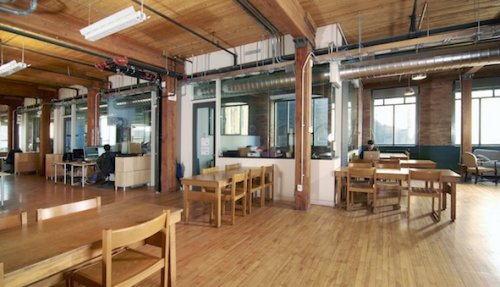

Are you struggling to stay focused at work? Do you find that no matter how hard you try, distractions, fatigue, or discomfort slow you down? Could the secret to higher productivity lie not in working longer hours, but in improving your workspace?
The physical and digital environment where we work has a profound impact on our ability to concentrate, stay motivated, and complete tasks efficiently. A well-designed workspace can enhance creativity, reduce stress, and even improve overall well-being. Conversely, a poorly organized or uncomfortable environment can lead to fatigue, frustration, and wasted time. Understanding the key elements that make a workspace productive is crucial for individuals and organizations looking to perform at their best.
Ergonomic Furniture
Ergonomics is the foundation of a productive workspace. Chairs with lumbar support, adjustable desks, and monitor stands reduce physical strain and prevent discomfort during long hours of work. When employees are physically comfortable, they can focus on tasks rather than on aches and pains.
For example, adjustable sit-stand desks allow for alternating between sitting and standing, promoting better posture, circulation, and energy levels. Similarly, ergonomic keyboards and mice reduce the risk of repetitive strain injuries, which can lead to absenteeism and decreased productivity.
Adequate Lighting
Lighting is a crucial but often underestimated element of workplace design. Natural light is ideal, as it regulates circadian rhythms, improves mood, and increases alertness. Workspaces that receive ample sunlight tend to see higher productivity and lower rates of eye strain and headaches.
For areas where natural light is limited, adjustable LED lighting that mimics daylight can be a suitable alternative. Task lighting, such as desk lamps, ensures focused work is well-lit without causing glare or shadows, which can be distracting or tiring.
Organized and Clutter-Free Spaces
A cluttered workspace can negatively affect mental clarity and efficiency. Studies have shown that disorganization increases cognitive load and reduces focus, making tasks take longer to complete.
Simple organizational tools—filing systems, drawer organizers, and cable management solutions—help maintain a tidy environment. Digital organization is equally important; apps for task management, document storage, and workflow tracking reduce time wasted searching for files. A clean, well-organized workspace signals to the brain that it’s time to focus, enhancing productivity and reducing stress.
Noise Management
The auditory environment of a workspace greatly influences concentration. Open-plan offices, while fostering collaboration, often come with distractions from conversations, phone calls, or office machinery.
Noise-canceling headphones, white noise machines, or sound-absorbing panels can mitigate these distractions. Even background music with a steady tempo can help some individuals maintain focus. Tailoring the noise level to the nature of work and individual preferences is key—quiet areas are ideal for deep, focused work, while collaborative zones benefit from a livelier atmosphere.
Access to Nature and Greenery
Biophilic design—the integration of natural elements into the workspace—has been linked to improved well-being and productivity. Indoor plants, natural textures, and views of the outdoors reduce stress, boost creativity, and enhance overall satisfaction.
Studies suggest that even small touches, such as potted plants on desks or natural imagery on walls, can improve cognitive function and mood. Organizations that incorporate nature-inspired elements into their workspaces often report higher employee engagement and lower turnover rates.
Temperature, Air Quality, and Fresh Air
Environmental comfort extends beyond furniture and lighting. Temperature, air quality, and access to fresh air play a critical role in cognitive performance. Offices that are too hot or too cold can impair focus, while poorly ventilated spaces lead to drowsiness and decreased alertness.
Maintaining a comfortable temperature—generally between 20–24°C (68–75°F)—and ensuring adequate ventilation can boost productivity. Fresh air replenishes oxygen levels and reduces pollutants, keeping employees alert and energized.
The approach to air quality often depends on climate. For instance, in Sydney, air conditioning is a key component of maintaining a comfortable and productive workspace. During hot summer months, high-quality air conditioning in Sydney offices helps regulate temperature, maintain airflow, and prevent heat-induced fatigue. In cooler or temperate climates, natural ventilation and open windows may suffice, but in areas with extreme heat or humidity, air conditioning becomes essential to sustain comfort and focus.
Personalized and Inspiring Elements
Personalization of the workspace fosters a sense of ownership and motivation. Allowing employees to decorate their desks or work areas with meaningful objects—photos, artwork, or personal mementos—can enhance engagement and satisfaction.
At the same time, spaces should include inspiring elements, such as motivational quotes, creative color schemes, or visual artwork, which can stimulate creativity and energy. The key is balancing personalization with organization to avoid creating clutter or distractions.
Technology and Connectivity
Efficient technology infrastructure is essential for a modern productive workspace. Reliable internet, updated software, and functional devices reduce frustration and streamline workflow. Collaboration tools, such as cloud-based project management platforms and communication apps, facilitate teamwork and reduce delays.
Additionally, minimizing technological distractions, such as unnecessary notifications, helps maintain focus. A workspace that seamlessly integrates technology empowers employees to work efficiently and stay connected without interruption.
Flexibility and Adaptability
No single workspace setup works for everyone or every task. Providing flexible workspaces that cater to different activities—quiet zones for focused work, collaborative areas for team projects, and casual spaces for informal brainstorming—encourages productivity and engagement.
Adjustable furniture, modular layouts, and multipurpose rooms allow employees to choose the environment that best suits their work style at any given time. Flexibility supports both creativity and efficiency, accommodating varying energy levels, tasks, and collaboration needs.
Break and Wellness Areas
Spaces for rest and wellness are critical for sustaining productivity. Short breaks improve cognitive performance, reduce stress, and prevent burnout. Wellness areas, such as lounges, meditation rooms, or exercise zones, encourage employees to recharge physically and mentally.
Providing access to water, healthy snacks, or ergonomic seating in break areas also supports overall well-being, which in turn enhances focus and efficiency when employees return to their tasks.
Conclusion
Creating a productive workspace is about more than aesthetics—it’s about designing an environment that supports physical comfort, mental clarity, and emotional well-being. Ergonomic furniture, proper lighting, organized spaces, controlled noise levels, natural elements, optimal temperature and air quality, personalized touches, efficient technology, flexibility, and wellness areas all play crucial roles in boosting productivity.
Fresh air and climate-specific solutions, such as air conditioning in Sydney, are particularly important for maintaining comfort and focus in varying environmental conditions. By intentionally curating these elements, individuals and organizations can cultivate workspaces that enhance focus, creativity, and overall performance, turning the physical environment into a powerful ally in achieving success.